Fan Energy efficiency laws benefit owners

Why FEI (Fan Energy Index) is the Future of Fan Efficiency in Commercial Buildings.

When it comes to energy efficiency, most building owners and engineers want real answers — not outdated metrics. For years, the FEG (Fan Energy Grade) rating was used to indicate fan efficiency, but let’s be honest: it never truly reflected how fans perform in the real world.

Fan arrangements by TCF

Enter FEI— the Fan Energy Index — a much smarter, more practical way to evaluate fan energy use based on how fans are actually applied in commercial buildings.

At ACI Mechanical, we work with hospitals, schools, universities, and countless other commercial facilities where HVAC systems aren’t just a comfort feature — they’re critical infrastructure. That’s why we advocate for using FEI to select fans. It gives engineers and owners a clear picture of how much energy a fan will use under actual field conditions, not just in a lab.

Here’s why FEI matters:

✅ It reflects real operating points — not full throttle only ones.

✅ It encourages better fan selection and system design.

✅ It helps owners visualize long-term energy and cost savings.

✅ It aligns with how modern building systems are engineered and maintained.

FEI selections are the law now and it’s how we help our clients deliver sustainable, high-performing buildings every day.

Want to learn more about how proper fan selection can cut energy costs in your facility? Let’s talk.

Data Center growth

In an increasingly digitized world, the demand for data centers in the USA has reached unprecedented levels. This surge in data center construction is fueled by AI, and the ever-expanding need for data storage, processing power, and connectivity. However, one aspect of data center growth that often goes unnoticed but is pivotal to their success is cooling.

One of our five warehouses at ACI

Data centers generate a substantial amount of heat due to the constant operation of servers, networking equipment, and other hardware. To maintain optimal performance and prevent overheating, efficient cooling systems are essential. As data center infrastructure expands across the country, addressing cooling needs has become a paramount concern.

The soaring demand for data centers has led to innovations in cooling technology. Traditional methods, such as air conditioning, are still widely used, but they are gradually being supplemented or replaced by more sustainable solutions like liquid cooling and free cooling. These innovations not only enhance energy efficiency but also reduce environmental impact.

Photo by Brett Sayles on Pexels.com

Another emerging trend in data center construction is the location choice. Data centers are increasingly being built in regions with naturally lower temperatures, such as northern states, to reduce the need for extensive cooling systems. This not only minimizes operational costs but also aligns with environmental sustainability goals. Population trends are moving against this direction, so we will see how it all plays out.

As the digital landscape continues to evolve, data center construction growth in the USA remains inevitable. However, the key to sustaining this growth lies in developing efficient and eco-friendly cooling solutions that keep pace with the ever-increasing demands of the digital age. Addressing cooling needs is not just a challenge; it’s a crucial step towards a more sustainable and connected future.

Leadtimes depend on supplier strength

Our commercial HVAC product lead-times are all over the place. GRDs, terminal units and noise control from Price Industries had best in class lead-times, some under three weeks with quick ships in a day or two.

One of our five warehouses at ACI

Large rooftops, chillers and VFDs still have longer than normal lead-times. Electronic components stress the supply chain from our suppliers like Carrier, Yaskawa, and Johnson Controls. Commercial and industrial fans from Twin City and PennBarry are coming at industry leading lead-times.

The team at ACI has opted to stock more products and grow warehousing capabilities to buffer the negative impacts of long lead-times. A side bonus is our ability to stage large, complex projects in Portland and Seattle.

Working with the best: Price Industries

Price Industries is amazing at commercial HVAC applications

Price Industries is a leading manufacturer and supplier of commercial HVAC equipment and systems, known for their innovative GRD, Chilled Beam and noise control designs and high-quality products. However, what truly sets them apart from their competitors, like Titus, Nailor, or Greenheck, is their outstanding engineering support team, which provides unparalleled technical assistance to their customers. I see it firsthand in every interaction we have with Price Industries!

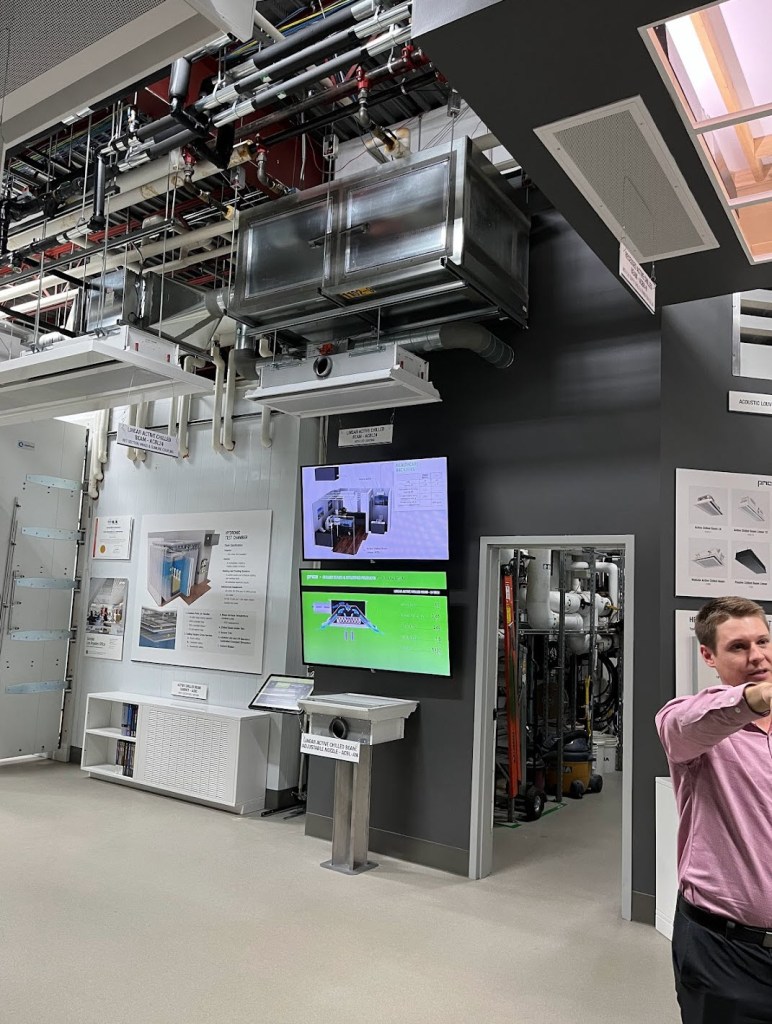
The engineering support team at Price Industries is comprised of experienced and knowledgeable professionals who are dedicated to helping our customers find the best possible solutions for their Air Distribution, Sound Control, Custom AHUs and ERVs and Operating Room systems. They ensure that every project is successful, from design to installation notes and beyond. The labs (Winnipeg is show above) are full of real world examples of HVAC equipment, many fully operational, providing great hands-on training.

One of the key strengths of Price Industries’ engineering support team is their ability to provide customized solutions that meet the unique needs of each project. They use advanced software like Price Predict (CFD Modeling) and basis of design tools to simulate and analyze different scenarios, allowing them to develop solutions that are both efficient and effective. This level of customization ensures that each HVAC system is tailored to the specific needs of the building and its occupants, resulting in optimal performance and energy efficiency. For real. We just taught another consulting engineer how to layout diffusers automatically with Ripple, a REVIT plug-in. How cool is that feature! Bonus: The Price people become your friends, they really care about you and others.

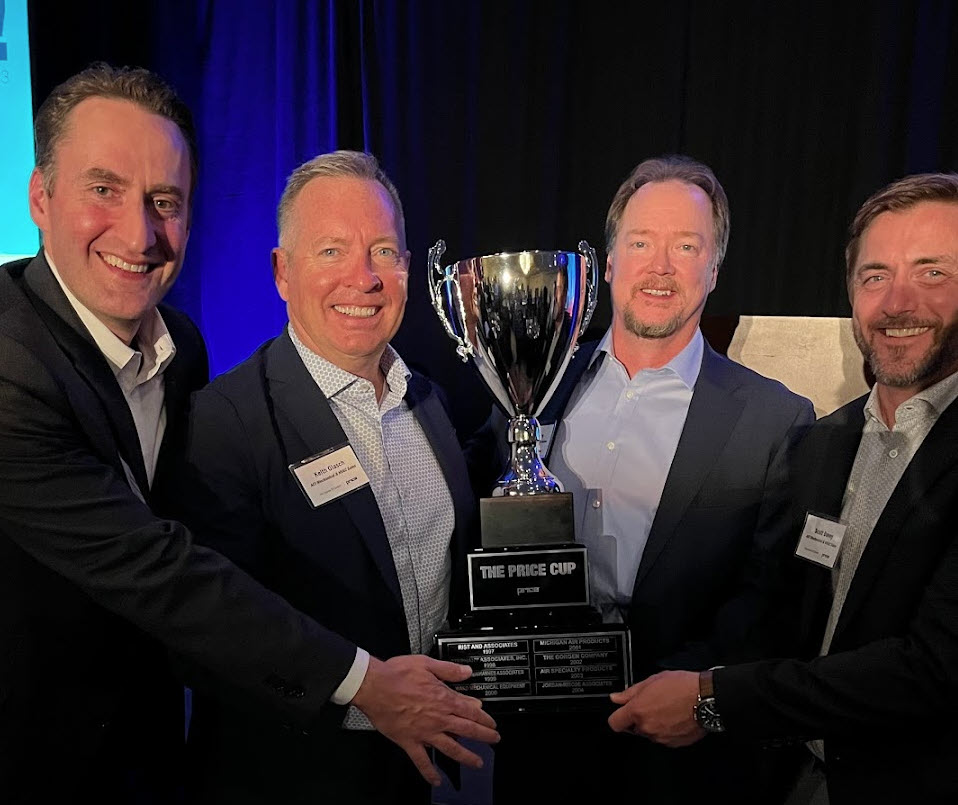
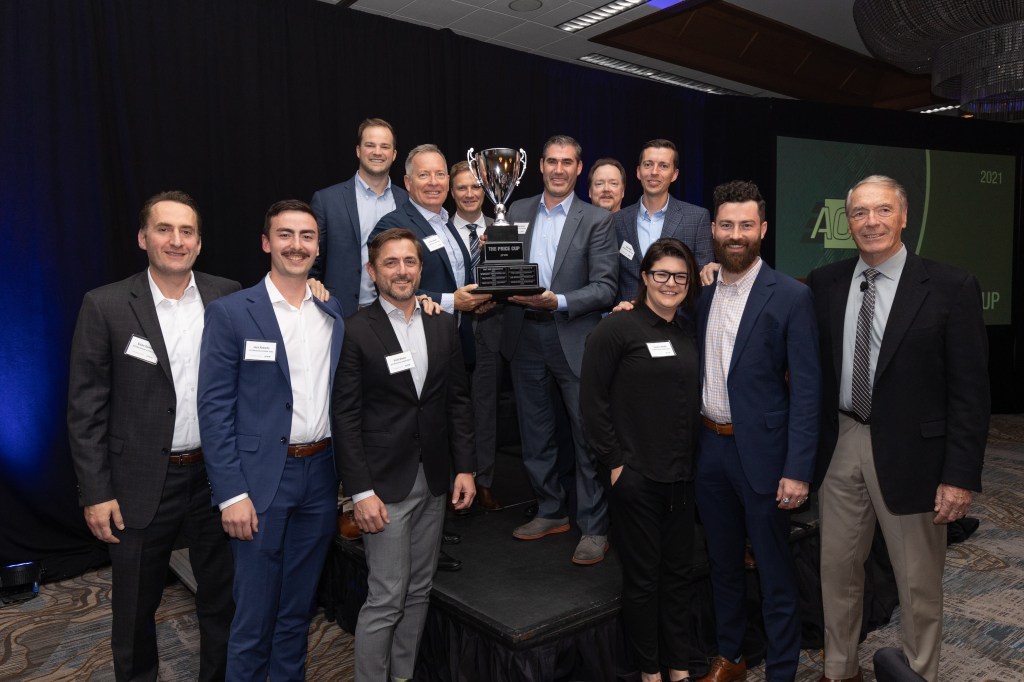
ACI Mechanical won the Price Cup in November 2022. We only won because Price Industries understands, and lives by one of our Core Values: Thrive Together. Thank you Gerry Price and the Price Industries family!

Noise Control in action

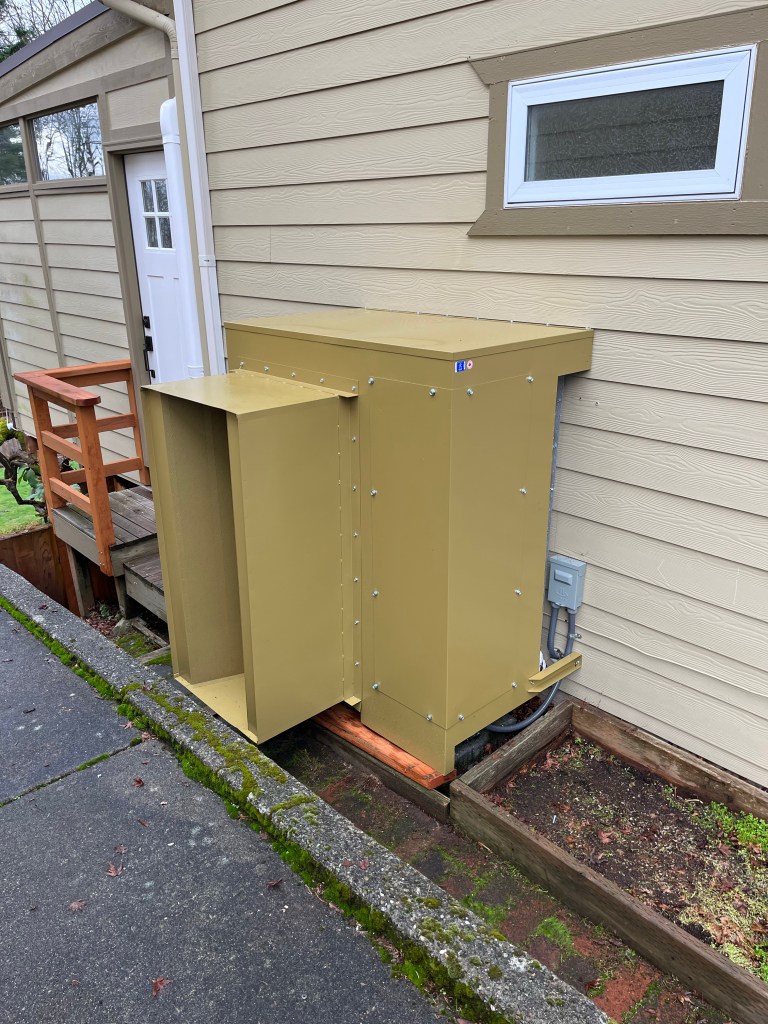
ACI had an application where a four ton horizontal discharge heat pump was creating too much noise in a densely populated neighborhood. We engaged Price Industries noise control, and they delivered!

The Price team used aluminum panels with weatherproof insulation and perforated panels, the “AP” series, combined with a bill-nosed “RH” panel. The contractor installed the silencer in 90 minutes. All dimensions and colors custom, including an access panel for servicing the CDU. @priceindustries #scienceofcomfort @acimechsales

The silencer reduced the sound so much that the homeowner and nearby neighbor were thrilled with the outcome, “I can barely hear it run”, said the neighbor who had previously complained, particularly during cold spells where high speed compressor and fan noise were frankly loud.

What if OPEN.AI wrote my blog posts?

I asked ChatBGT to “tell me about HVAC in Seattle”, here is what it wrote:

HVAC stands for heating, ventilation, and air conditioning. In Seattle, the climate is generally mild, with cool and rainy winters, and mild summers. However, in the summer months, temperatures can sometimes rise to the high 80s or even 90s, which can make air conditioning a necessity for many buildings and homes.

As Seattle is located in the Pacific Northwest, it has a moderate climate, with mild winters and cool summers, which means that HVAC systems in Seattle are primarily used for heating rather than cooling. Many buildings in Seattle use electric heating systems, which can be more efficient and cost-effective than traditional fossil fuel-burning systems.

However, there are also buildings that require cooling systems, especially in commercial and industrial buildings, where the internal heat generated by machinery and computers can raise the temperature inside. In those cases, buildings typically use central air conditioning systems that use refrigerant to cool the air and circulate it throughout the building.

In general, HVAC systems in Seattle must be designed to handle the region’s rainy and humid weather, which can cause issues with mold, mildew, and corrosion if not properly maintained. Building owners and managers should make sure to schedule regular maintenance and inspections to ensure that their HVAC systems are operating efficiently and effectively.

While not amazing or exciting, this description is right on! I can see what schools might ban open.ai for students, but I am trying to find a way for it to help our business.

Recognition for a job well done

Engineered Systems magazine article photo

Congrats to the ACI Mechanical and HVAC team for their recognition as an Ambassador of Energy Efficiency. The award comes from engineers and contractors recognizing the contribution that our team has made. Recognition is my love language, just ask my wife Margaret!

We love helping building owners save energy, and our mission statement “Helping Building Thrive” says it in three words.

3 easy tips to solve HVAC air distribution problems

Cold office workers are everywhere!

We at ACI Mechanical solve cold office worker problems for our contractor and owners all the time. Here are 3 tips to make a difference for cold work spaces.

  1. Change the airflow patterns of diffusers and grilles

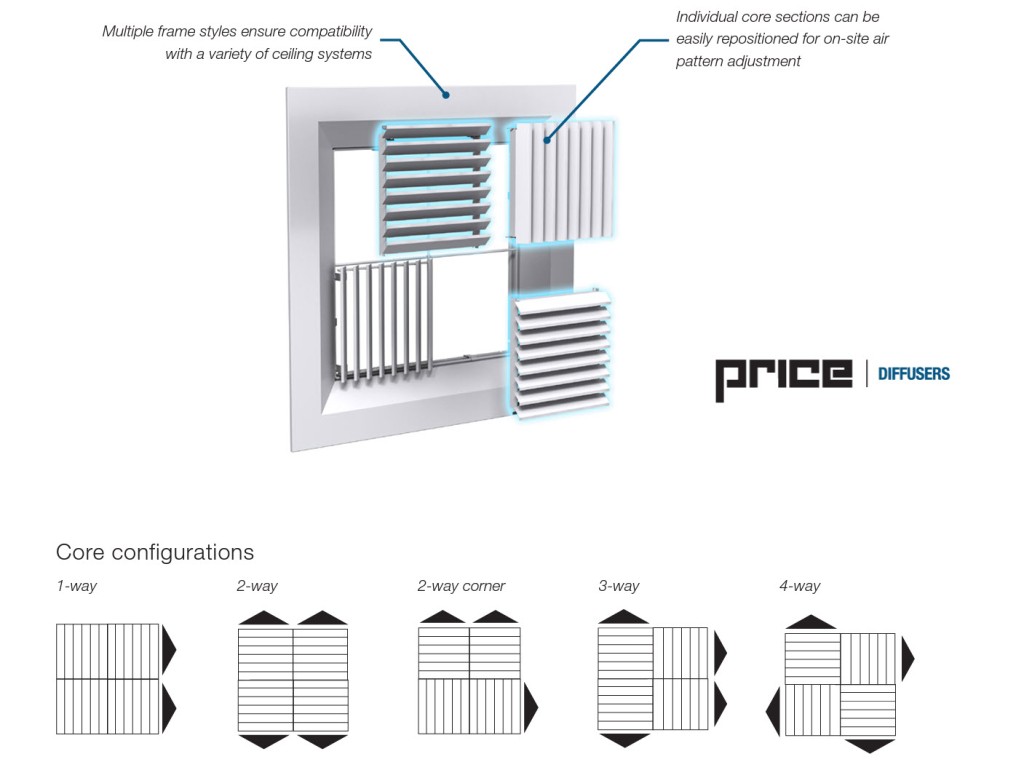
Many ceiling diffusers or grilles have the ability to be adjusted or closed down. Many designs have maximum airflow rates that are over designed for actual building usage. Facility engineers (or you with a ladder) can reduce the total airflow directed toward occupants. Change the diffuser from a fixed style to adjustable to have a choice.

Price Industries diffusers have adjustable controllers

2. Install VAV Diffusers to control local zones without extra wiring

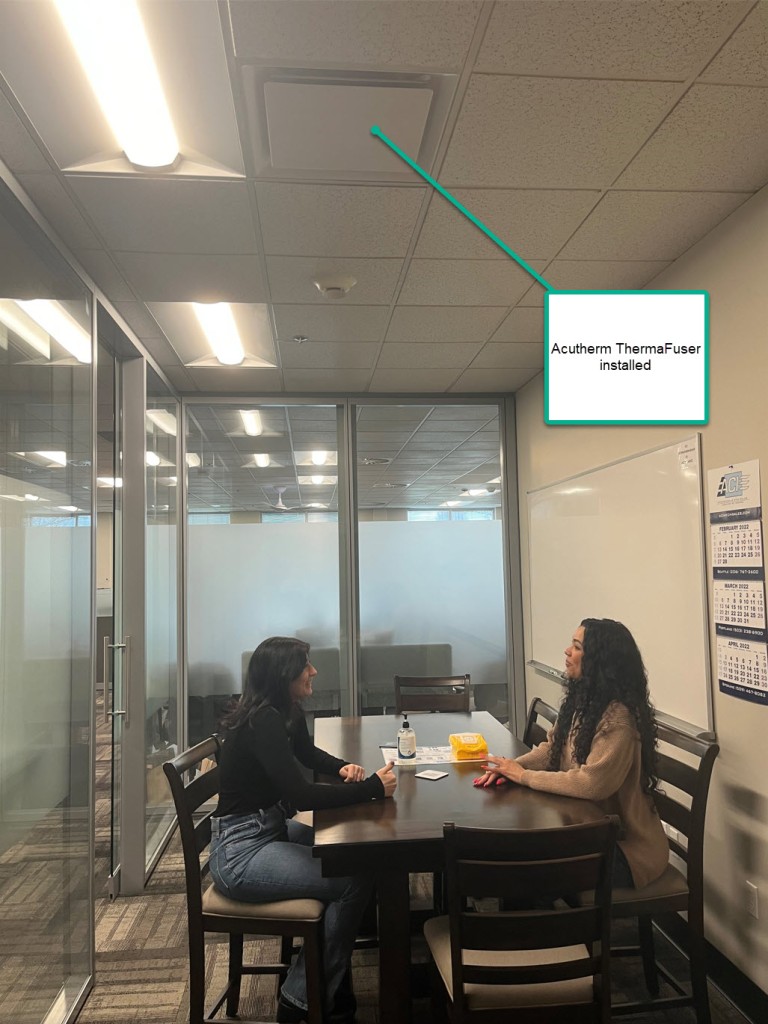
We installed a 10″ neck Acutherm Thermafuser in a small conference room at ACI Mechanical in Seattle, changing the room from freezing cold to a perfect 72 degrees. It took a ladder, a new Panduit strap to connect the existing flex duct to the new diffuser, and an Thermafuser to solve the problem. It was a 10 minute installation, before picture shown:

A ladder and a simple diffuser replacement
This conference room is no longer cold!
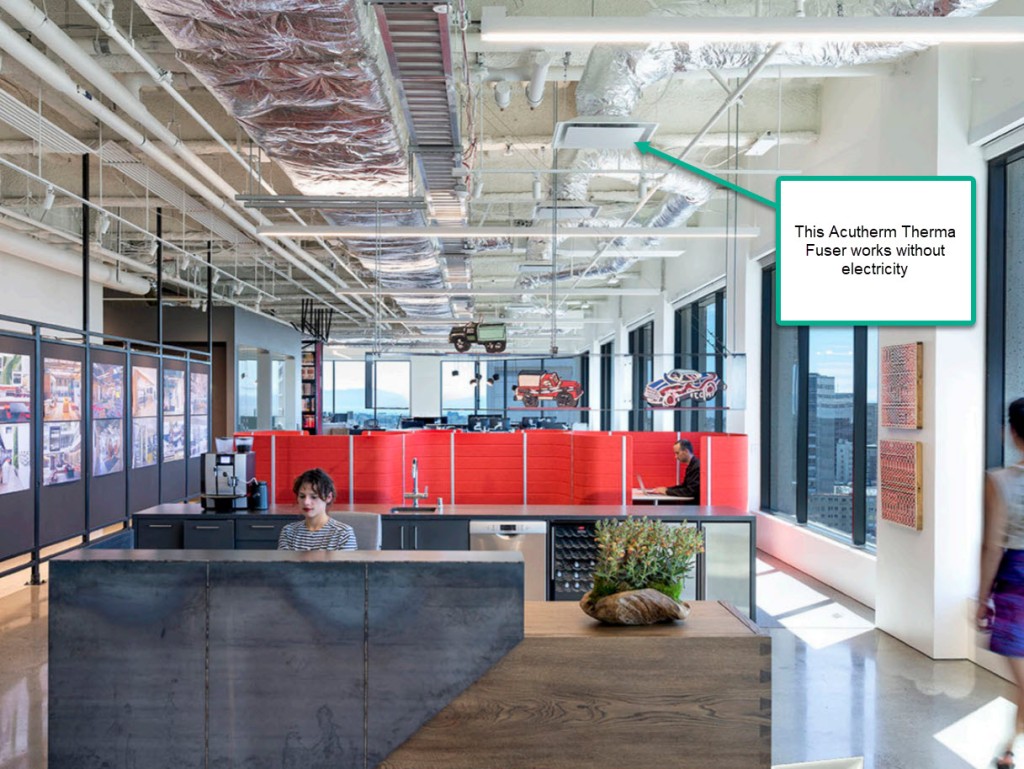
Acutherm by Price Industries Thermafusers

3. Use Preheat strategies on thermostats and building controls for morning warm-up

We use our Verasys building control system by Johnson Controls to preheat the building at 5am, before the first worker arrives at 5:30am in Seattle. This gives the three rooftops the ability to “catch-up” from a weekend of unoccupied setpoints.

Verasys smart building hub connects to JCI equipment, smartphone image superimposed

Changing the way air flows in a building can make a difference for occupant comfort all year long. It is worth the time and effort!

AHR Las Vegas is a success

HVAC product exhibit halls were busy with people at the opening day Jan 31, 2022. It was great to connect with industry leaders and talk business.

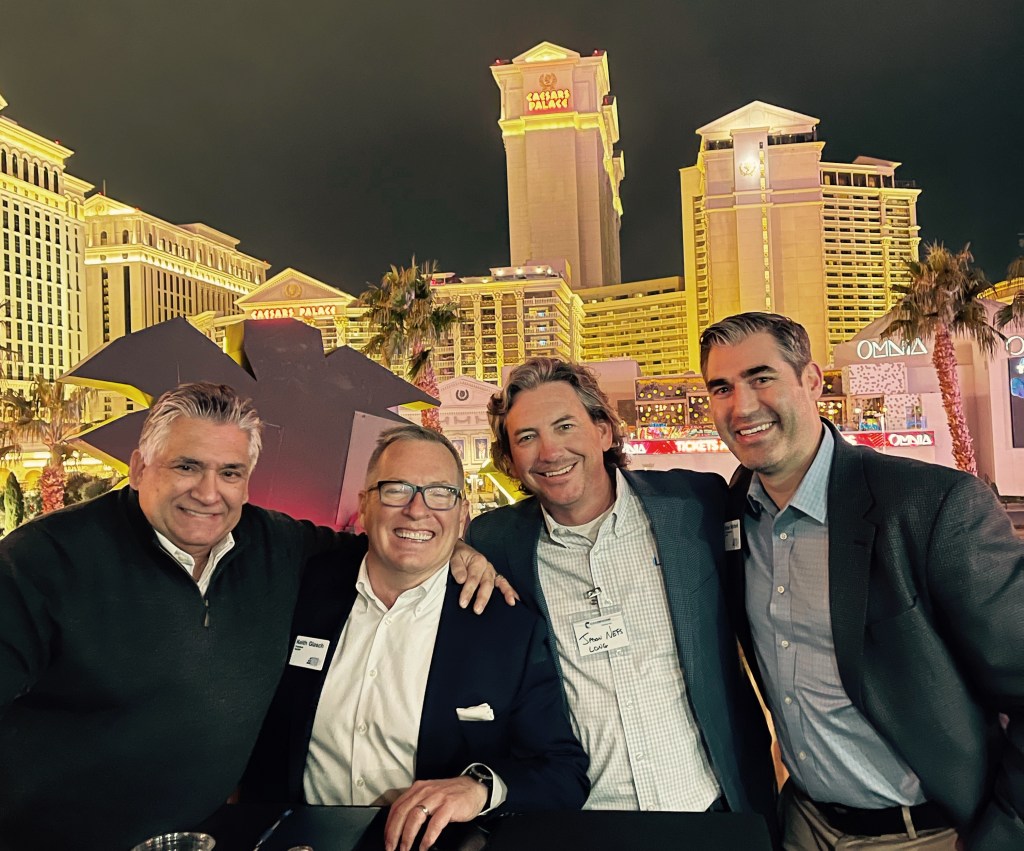
Team ACI with our friend from Denver

Big manufacturers like Johnson Controls, Carrier, and Daikin had large booths with the latest equipment. They were packed with mask wearing engineers and contractors. We had no fewer than 20 different meetings with factory reps outside of the expo and in. No where else can I go and get that all done expect to AHR!

Plus it’s Vegas, so you get free Chihuly art!
Minus5 Bar with Rick and Anthony
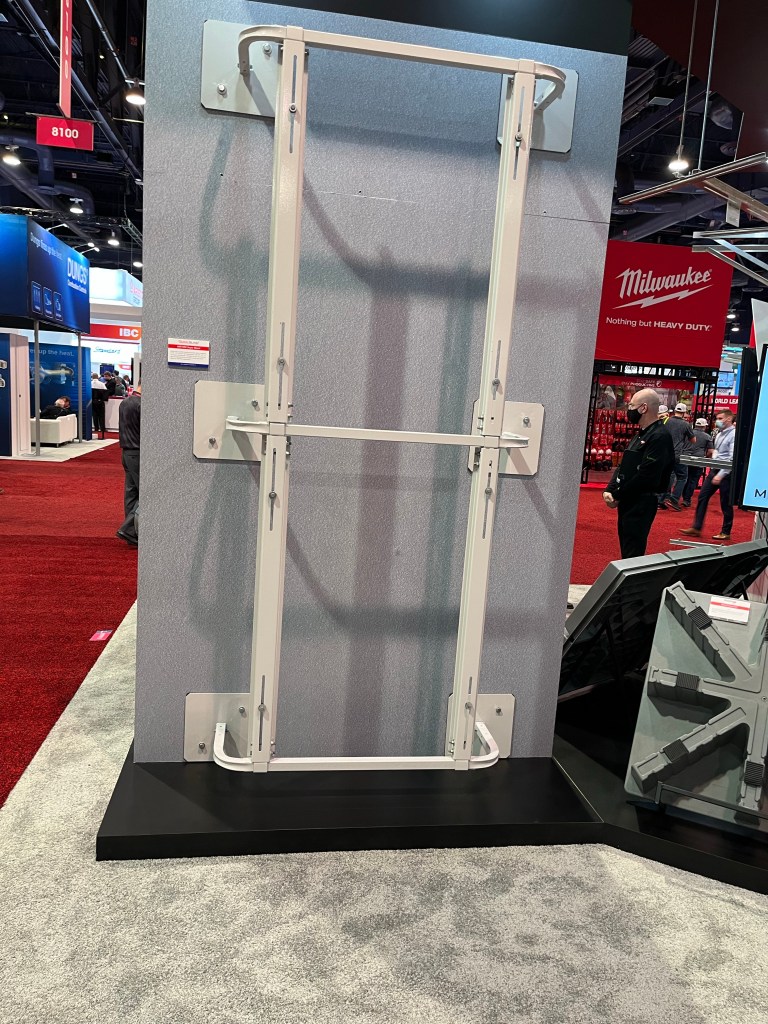
Nice equipment stands look big in person!

#ahrexpo #hvac